Everything About Oil Field Equipment and Pipeline Equipment: Key Insights and Crucial Info
Oil field equipment and pipeline systems play a pivotal duty in the oil and gas sector. They are important for the effective removal and transportation of hydrocarbons. Secret parts, such as drilling rigs and tank, directly effect functional success. Advancements in technology promise to boost safety and security and performance. Comprehending these elements is important for any individual associated with or curious about this complicated sector, as it establishes the phase for deeper expedition of sector practices.
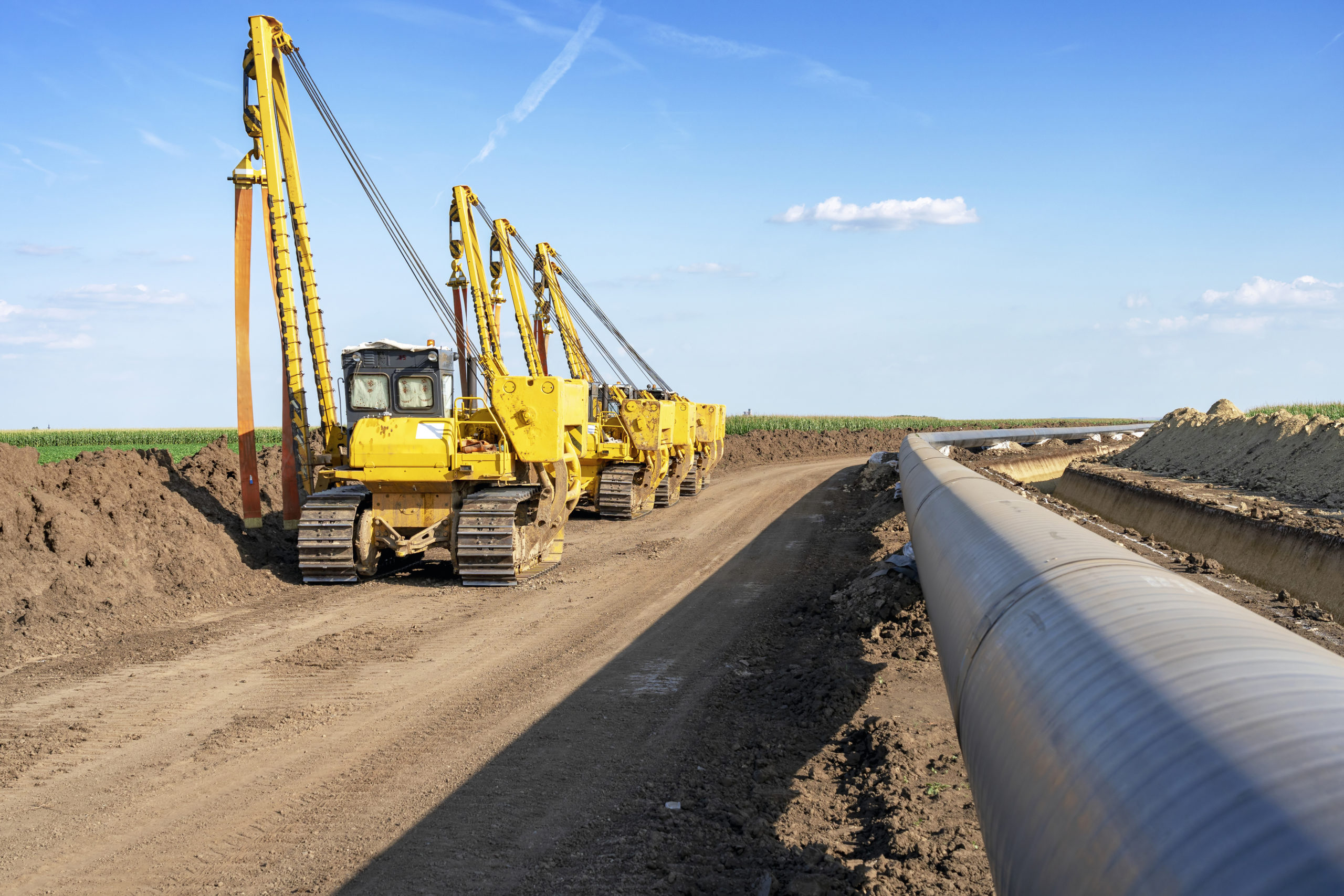
Review of Oil Field Equipment
As the demand for oil proceeds to grow, comprehending the devices utilized in oil fields comes to be increasingly essential. Oil field equipment incorporates a vast array of equipment and devices vital for expedition, extraction, and processing. Key parts include drilling rigs, which are essential for reaching oil reservoirs, and manufacturing tools, such as separators and pumps, that facilitate the removal procedure. Superior rentals squeeze tools. In addition, tank play a significant duty in holding petroleum prior to transport. Safety and security devices, consisting of blowout preventers and stress evaluates, assures operational safety and security and performance. Each piece of tools features cohesively to maximize production and maintain effective workflow. Familiarity with this tools is very important for experts in the market to ensure successful procedures and adherence to safety requirements
Sorts Of Drilling Rigs and Their Applications
Drilling rigs function as the foundation of oil removal procedures, with different kinds made for particular geological conditions and functional requirements. One of the most usual kinds include rotating boring rigs, which use a revolving drill bit to pass through the planet, and cable tool rigs, known for their percussion exploration technique. For overseas procedures, jack-up rigs and semi-submersible rigs supply security and assistance in marine atmospheres. Additionally, directional boring rigs allow drivers to pierce at angles, reaching deposits that are not up and down available. Each gear type has special advantages, enhancing performance and safety and security based on the drilling atmosphere. Choosing the ideal gear is essential for maximizing source extraction while reducing ecological effect and operational costs.

Important Pipeline Equipment and Their Features
Pipeline framework is important for the transportation of oil and gas from extraction sites to refining facilities and end-users. Different necessary devices parts facilitate this process. Pipes themselves function as the primary conduits, made to stand up to high stress and corrosive materials. Pump stations are vital for preserving flow by boosting stress along the pipeline. Valves play a vital duty in regulating flow and separating sections for maintenance. Furthermore, installations and ports ensure protected joints between pipeline areas. Monitoring systems, including flow meters and pressure sensing units, are vital for finding leakages and enhancing flow rates. Pigging tools is used for maintenance and cleaning, safeguarding pipeline integrity and efficiency. With each other, these parts form the backbone of a reliable pipeline system.
Developments and Technologies in Oil and Gas Equipment
Security and Maintenance Practices in the Oil Industry
While the oil market has actually made significant strides in technology and performance, the significance of robust security and upkeep techniques can not be overemphasized. Reliable safety methods are important to shield employees and the atmosphere, decreasing the threat of accidents and spills. Routine examinations and maintenance of tools assistance identify prospective concerns before they rise, making certain functional stability. Training programs for workers are crucial, stressing the importance of safety awareness and emergency action procedures. Furthermore, adherence to sector policies and criteria fosters a culture of security. Applying advanced surveillance modern technologies can better improve maintenance techniques, permitting real-time evaluations of devices conditions. Ultimately, focusing on security and maintenance is essential to the sustainability and success of the oil sector.
Often Asked Questions
What Are the Ecological Effects of Oil Field Equipment?
The environmental effects of oil field equipment consist of environment damage, water contamination, and air pollution (Superior Rentals reviews). Furthermore, equipment breakdown can lead to spills, detrimentally affecting wildlife and ecological communities, highlighting the need for stringent policies and tracking
Exactly How Is Oil Field Equipment Transferred to Remote Locations?
Delivering oil field equipment to remote locations usually includes specialized lorries, helicopters, or barges. Logistics firms coordinate paths, Full Article making sure equipment gets here safely and successfully, considering surface and access to reduce delays and optimize performance.
What Regulatory Requirements Govern Oil Field Equipment?
Governing requirements regulating oil field equipment largely consist of security, ecological security, and operational performance standards. Agencies such as OSHA and EPA impose these laws to assure safe practices and reduce eco-friendly impact in oil extraction operations.
What Abilities Are Needed to Operate Oil Area Equipment?
Exactly How Do Oil Prices Impact Equipment Demand and Usage?
Oil rates substantially influence equipment demand and use. Greater rates normally bring about increased exploration and production tasks, driving need for machinery. On the other hand, reduced costs may lead to decreased procedures and decreased requirement for equipment.